

Cracking the Code: How Much to Charge for Website Design | Web Design Rates Explained
Cracking the Code: How Much to Charge for Website Design | Web Design Rates Explained

Ah, the age-old question that keeps web designers up at night:
“How much should I charge for web design?”
If you’ve ever found yourself staring at a blank invoice, cursor blinking mockingly as you try to decide on a fair price, you’re not alone. Pricing your web design services can feel like trying to solve a Rubik’s cube blindfolded. But fear not, dear designer! We’re about to demystify the art and science of setting website design rates that will keep both you and your clients happy.
Understanding Website Design Rates: It’s Not Just About the Numbers
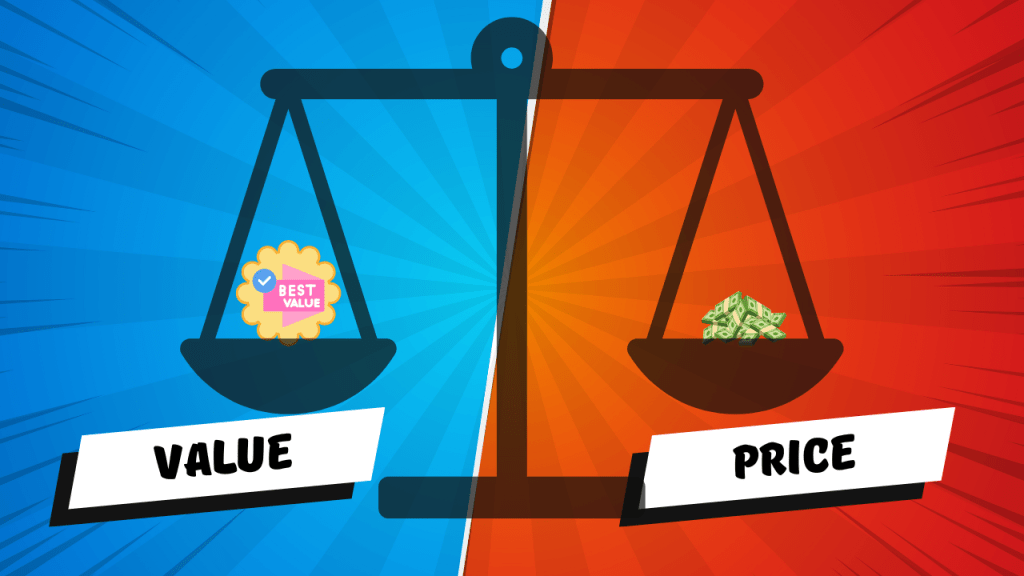
Before we dive into the nitty-gritty of how to charge for web design, let’s talk about what goes into those magical numbers. Website design rates aren’t pulled out of thin air (although sometimes it might feel that way). They’re influenced by a cocktail of factors:
- Your skill level and experience
- The complexity of the project
- The value you’re providing to the client
- Your overhead costs
- The going rates in your local market
Now, let’s break down the common pricing models faster than you can say “responsive design”:
- Hourly Rates: The old faithful of pricing models. You charge for every hour you work. Simple, right?
- Project-Based Pricing: You quote a flat fee for the entire project. This requires some crystal ball gazing to estimate how long the project will take.
- Value-Based Pricing: You charge based on the value your work will bring to the client’s business. This is like the black belt of pricing models.
How to Determine Your Web Design Pricing: No Magic 8-Ball Required
Now that we’ve covered the basics, let’s get down to brass tacks. How do you actually figure out what to charge? Here’s a step-by-step guide that doesn’t require a degree in rocket science:
- Assess Your Skills: Are you a CSS wizard or still learning the ropes? Be honest with yourself.
- Research Market Rates: What are other designers in your area charging? Don’t lowball yourself, but don’t price yourself out of the market either.
- Calculate Your Costs: Factor in your overhead, software subscriptions, and that fancy ergonomic chair you bought.
- Determine Your Desired Profit Margin: Because let’s face it, you’re not in this just for the love of tags.
Pricing Strategies for Different Project Types: One Size Doesn’t Fit All
Just like websites, pricing strategies come in all shapes and sizes. Here’s a quick rundown:
- Basic Informational Websites: Start with a base rate and add on for additional pages or features.
- E-commerce Websites: These are more complex, so factor in additional time for product setup and payment integration.
- Custom Web Applications: The sky’s the limit here. Price based on the complexity and value to the client.
The Freelance Web Developer’s Pricing Guide: From Newbie to Pro

Whether you’re just starting out or you’re a seasoned pro, here are some tips to help you navigate the pricing jungle:
- Setting Initial Rates: Start slightly lower than market rates to build your portfolio, but don’t sell yourself short.
- Raising Your Prices: As your skills improve, gradually increase your rates. Your longtime clients will understand if you explain it well.
- Handling Price Negotiations: Always have a rationale for your pricing. Be willing to adjust the scope of work rather than just slashing your price.
Common Pricing Mistakes to Avoid: Don’t Be That Guy (or Gal)
We’ve all been there, but let’s try to avoid these pricing pitfalls:
- Undervaluing Your Work: Your skills are valuable. Price accordingly.
- Failing to Account for All Costs: Don’t forget about those sneaky expenses like software subscriptions and taxes.
- Not Differentiating Your Services: If you offer something unique, make sure your pricing reflects that.
How to Communicate Your Pricing to Clients: It’s Not You, It’s Your Price
Talking about money can be awkward, but it doesn’t have to be. Here’s how to discuss pricing without breaking into a cold sweat:
- Create a Clear Pricing Structure: Have a document ready that outlines your services and pricing.
- Explain the Value: Don’t just throw numbers at them. Show them how your work will benefit their business.
- Handle Objections with Grace: If a client balks at your price, be prepared to explain your value or offer alternative solutions.
Case Studies: Real-World Pricing Examples
Let’s look at some real-world examples to put all this theory into practice:
- Beginner Web Designer: Sarah charges $50/hour or $2,000 for a basic 5-page website.
- Experienced Freelancer: Tom charges $100/hour or $5,000-$10,000 for custom websites.
- Web Design Agency: Pixel Perfect Design starts their projects at $10,000 and scales up based on complexity.
The Beesoul Approach to Web Design Pricing: Transparency Meets Value
At Beesoul, we believe in transparent, value-based pricing. We take the time to understand each client’s unique needs and goals, then provide a custom quote that reflects the value we’ll bring to their business. Our pricing includes not just the initial design and development, but also ongoing support and optimization to ensure long-term success.
Wrapping It Up: Confidence is Key
Setting your website design rates doesn’t have to be a hair-pulling experience. Remember, your pricing should reflect your skills, experience, and the value you provide. Don’t be afraid to charge what you’re worth – your expertise is valuable, and the right clients will recognize that.
Ready to take the guesswork out of web design pricing? Whether you’re a freelancer looking to level up your pricing game or a business owner seeking transparent, value-based web design services, Beesoul is here to help. Let’s chat about your web design needs and create a pricing structure that works for everyone. After all, at Beesoul, we’re not just designing websites – we’re designing success stories. And we can’t wait to design yours!


Related articles

Optimize Mobile UX: Top 5 Practices for Better Engagement
Credit:- Freepik Focusing on mobile user experience is very important for online business success. Almost 60% of internet traffic comes...

The Ultimate Guide to Building a High-Performing Law Firm Website in 2025
Credit:- Canva Your law firm website design is more than just a digital presence—it’s your first impression, your brand, and...

Best Practices for MVP Development in 2025
Minimum Viable Product (MVP) development has evolved significantly in 2024, becoming a cornerstone for businesses aiming to validate ideas, attract...

Ready to Ship Your Vibe Coded App?
You've already done the hard part — validating your idea and building something that works. Let's turn it into a product your users can trust and your business can scale.