

Leveraging IT Solutions for Agriculture: Transforming the Future of Farming
Leveraging IT Solutions for Agriculture: Transforming the Future of Farming

Introduction: IT Solutions for Agriculture
With the integration of Information Technology (IT) solutions, the worldwide agricultural sector is undergoing a fundamental upheaval. Thanks to the power of data analytics, automation, and networking, traditional farming practices are being replaced with more effective and sustainable ones. We will examine the world of IT solutions for agriculture in this thorough guide, looking at their advantages, important technology, and potential effects on farming in the future.
Chapter 1: The Need for IT Solutions in Agriculture: IT Solutions for Agriculture
1.1 The Challenges Facing Modern Agriculture
Modern agriculture faces many challenges, including population growth, climate change, resource scarcity, and the need for sustainable practices. These challenges call for innovative solutions to ensure food security and environmental preservation.
1.2 The Role of IT Solutions for Agriculture
Solutions based on information technology have changed agriculture for the better. They provide farmers with technologies and solutions that empower them, boost productivity, and increase efficiency. The following are some major advantages of IT systems in agriculture:
– Precision farming
– Data-driven decision-making
– Sustainability and resource management
– Supply chain optimization
– Market access and e-commerce

Chapter 2: Key IT Technologies in Agriculture: IT Solutions for Agriculture
2.1 Internet of Things (IoT)
IoT devices, such as soil sensors, weather stations, and GPS-enabled tractors, are revolutionizing agriculture by providing real-time data on crop conditions, equipment performance, and environmental factors. Farmers can make informed decisions based on this data to optimize their operations.
2.2 Big Data Analytics
Agriculture is being revolutionized by Internet of Things (IoT) devices that provide real-time data on crop conditions, equipment performance, and environmental factors. Examples of these devices are soil sensors, weather stations, and GPS-enabled tractors. Based on this information, farmers can maximize their operations by making well-informed decisions.
2.3 Artificial Intelligence (AI) and Machine Learning
Agriculture is changing as a result of AI and machine learning algorithms, which make it possible to identify diseases, use autonomous farming equipment, and do predictive modeling. These solutions decrease waste while improving crop quality and output.
2.4 Blockchain
Blockchain technology offers transparency and traceability in the agricultural supply chain. It helps in preventing fraud, ensuring food safety, and providing consumers with information about the origin of their products.
2.5 Drones and Remote Sensing
Drones equipped with high-resolution cameras and sensors can monitor large areas of farmland efficiently. They assist in crop monitoring, pest control, and irrigation management.
Chapter 3: Benefits of IT Solutions in Agriculture
3.1 Increased Productivity
IT solutions enable precision farming practices, which result in higher crop yields. Farmers can optimize planting, irrigation, and fertilization based on data-driven insights, leading to increased productivity.
3.2 Resource Efficiency
Efficient use of resources, such as water and fertilizers, reduces waste and environmental impact. IT solutions help farmers manage resources more effectively by providing real-time monitoring and control.
3.3 Sustainable Agriculture
Sustainability is a growing concern in agriculture. IT solutions support sustainable farming practices by promoting responsible land use, reducing chemical usage, and minimizing the carbon footprint of agriculture.
3.4 Risk Mitigation
Weather forecasts, disease predictions, and crop monitoring provided by IT solutions help farmers mitigate risks and adapt to changing conditions. This ensures a more stable income and reduces the impact of natural disasters.
3.5 Improved Market Access
E-commerce platforms and online marketplaces connect farmers directly with consumers and buyers, eliminating intermediaries and increasing profit margins.
Chapter 4: Case Studies: IT Solutions in Action
4.1 Case Study 1: Precision Agriculture in the United States
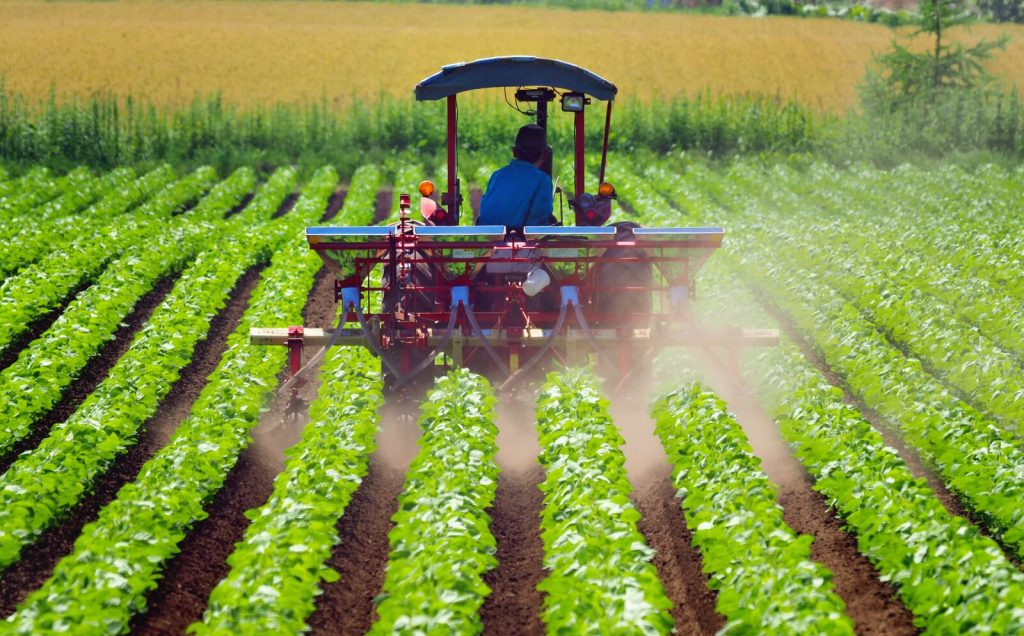
Case studies from Iowa and California demonstrate the significant impact of precision agriculture on American farmers, demonstrating the efficiency and cost-effectiveness of this innovative approach.
4.2 Case Study 2: IoT and Agriculture in India
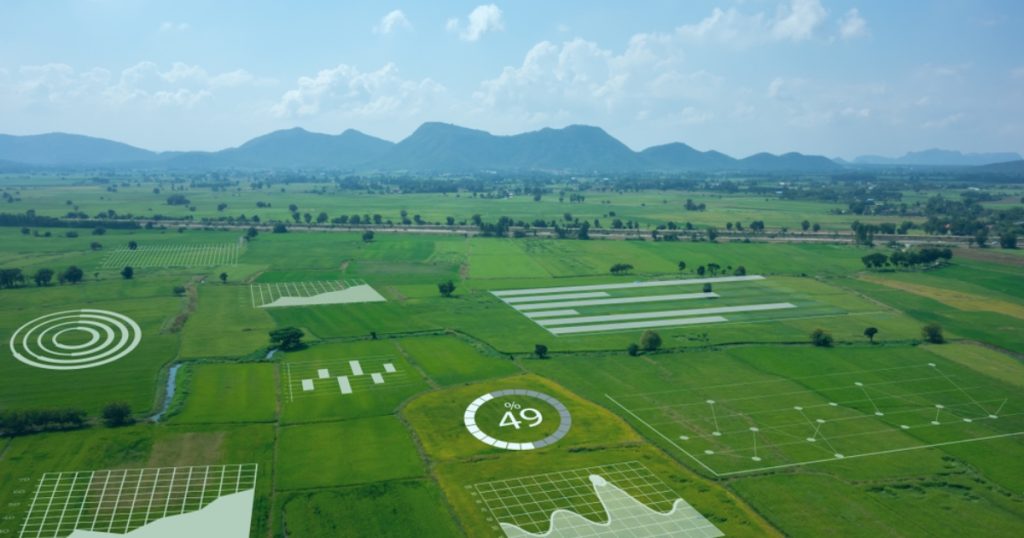 Case studies from Punjab and Karnataka showcase the implementation of IoT technology in addressing the challenges faced by smallholder farmers in irrigation and pest control.
4.3 Case Study 3: AI and Crop Monitoring in Brazil
Satellite imagery is revolutionizing disease detection in South America, enabling farmers to monitor crop health and make informed decisions about their agricultural practices.
Chapter 5: Challenges and Future Trends
5.1 Challenges of IT Adoption
Discuss the challenges that farmers and the agriculture industry face when adopting IT solutions. These challenges include cost barriers, digital literacy, and data security concerns.
5.2 Future Trends in IT Solutions for Agriculture
Explore the future of IT in agriculture, including trends such as autonomous farming, blockchain integration, and the rise of agritech startups. These trends promise to further revolutionize the industry.
Chapter 6: Recommendations for Farmers
6.1 Getting Started with IT Solutions
Provide practical advice for farmers who want to integrate IT solutions into their operations. This includes steps like assessing their needs, selecting the right technologies, and seeking training.
6.2 Collaboration and Knowledge Sharing
Highlight the importance of collaboration among farmers, agricultural organizations, and tech companies. Knowledge sharing and partnerships can accelerate the adoption of IT solutions in agriculture.
Conclusion: IT Solutions for Agriculture
The adoption of IT solutions in agriculture is not just a technological evolution; it’s a necessity for the future of farming. These solutions empower farmers to overcome challenges, improve efficiency, and contribute to sustainable agriculture. As the agricultural industry continues to evolve, embracing IT solutions will be a crucial step toward ensuring food security and environmental stewardship in the years to come.

Related articles

Vibe Coding Security Risks
Vibe Coding Security Risks: What Every Founder Needs to Know Before Launching Last September, a women-only dating app called Tea...

Why Hiring a Web Designer is Crucial for Your Business
Why Hire a Web Designer? In today’s digital age, your website is often the first impression potential customers have of...

AI Integration for Startups in 2025: Transforming Ideas into Scalable Solutions
What if integrating AI could not only streamline your startup’s operations but also unlock new growth opportunities you never considered...

Ready to Ship Your Vibe Coded App?
You've already done the hard part — validating your idea and building something that works. Let's turn it into a product your users can trust and your business can scale.