

How much does a good website designer cost? A 120 second insight
How much does a good website designer cost? A 120 second insight

How Much Does a Good Website Designer Cost?
Having a well-designed website is crucial for businesses and individuals alike. Whether you’re launching a new brand, revamping an existing site, or starting a personal blog, one of the first questions you’ll ask is: How much does a good website designer cost? The answer isn’t straightforward, as website design costs can vary widely depending on several factors. In this insight, we’ll explore what influences pricing, average costs, and how to find a designer that fits your budget, or how beesoul can be of help.
What is Web Designer? What’s their role?
A web designer is responsible for creating the visual and interactive aspects of a website. Their primary goal is to design a website that is aesthetically pleasing, user-friendly, and aligned with the client’s goals or brand identity. This involves a combination of creativity, technical skills, and an understanding of user experience (UX) and user interface (UI) design principles.
Key Responsibilities of a Web Designer:
Testing and Iteration: Testing the design for usability and making improvements based on feedback.
Visual Design: Creating the layout, color schemes, typography, and imagery that define the look and feel of a website.
User Experience (UX) Design: Ensuring the website is intuitive and easy to navigate, with a focus on how users interact with the site.
User Interface (UI) Design: Designing the interface elements, such as buttons, menus, and forms, to ensure they are functional and visually appealing.
Responsive Design: Ensuring the website works well on various devices and screen sizes (desktop, tablet, mobile).
Collaboration: Working with developers, content creators, and stakeholders to bring the design to life.
Prototyping and Wire framing: Creating mockups and prototypes to visualize the website’s structure and flow before development.
The Thinking Process of a Web Designer:
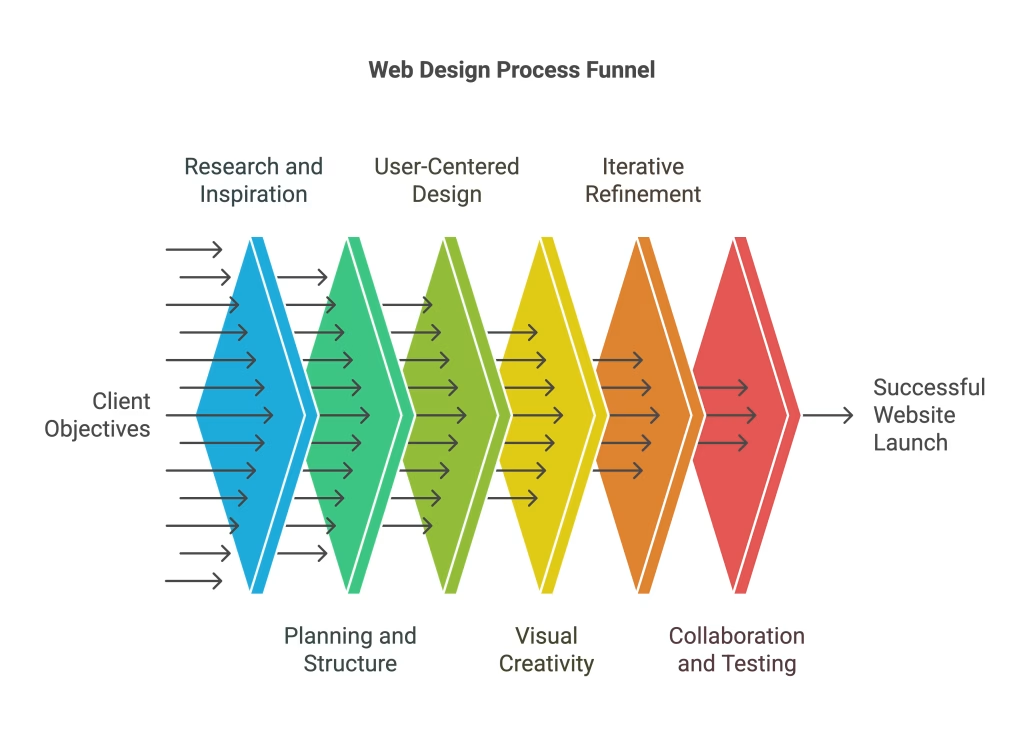
The thinking process of a web designer is a blend of creativity, problem-solving, and user-centered design. Here’s how it typically unfolds:
Understanding the Goals:
The designer starts by understanding the client’s objectives, target audience, and brand identity.
They ask questions like: What is the purpose of the website? Who is the audience? What actions should users take?
Research and Inspiration:
They research industry trends, competitors, and best practices to gather inspiration.
They analyze what works well on other websites and identify opportunities for innovation.
Planning and Structure:
The designer creates wireframes or sketches to outline the website’s structure and layout.
They focus on information architecture, ensuring content is organized logically.
Designing for the User:
They prioritize the user experience, thinking about how users will navigate the site and interact with its elements.
They consider accessibility, ensuring the design is usable for people with disabilities.
Visual Creativity:
The designer experiments with colors, fonts, images, and other visual elements to create a cohesive and appealing design.
They ensure the design aligns with the brand’s identity and evokes the desired emotions.
Iterative Refinement:
They create prototypes and gather feedback from stakeholders or users.
Based on feedback, they refine the design, making adjustments to improve usability and aesthetics.
Collaboration with Developers:
The designer works closely with developers to ensure the design is technically feasible and implemented correctly.
They may provide assets, style guides, or design specifications to guide development.
Testing and Launch:
Before the website goes live, the designer tests the final product to ensure it meets design standards and functions as intended.
Tools:
I’m not going to list all the tools available in the market. Figma is the most important tool to show the UI(User Interface)/UX(User Experience) of any website design. While you’re understanding this, you must understand the difference between user interface and user experience(at least in short).
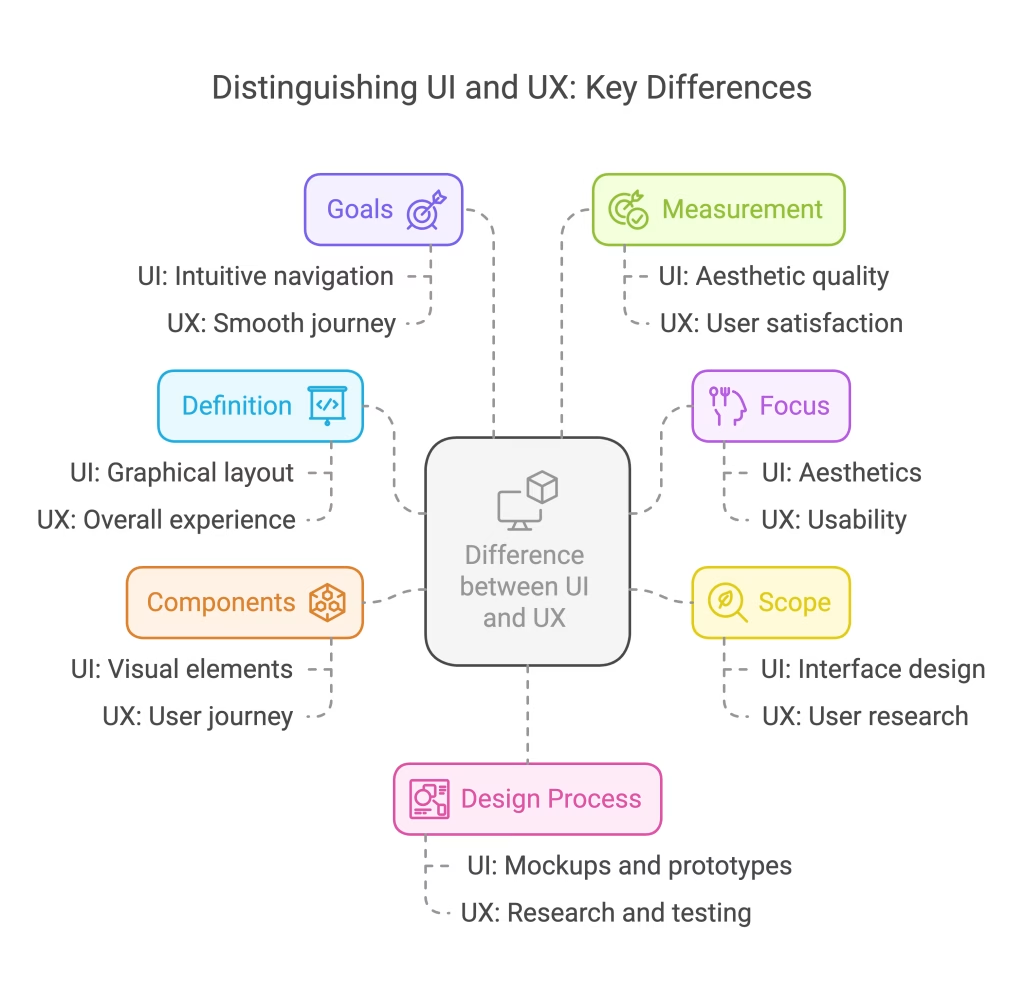
| Aspect | User Interface (UI) | User Experience (UX) |
|---|---|---|
| Definition | Refers to the graphical layout and interactive elements of a digital product, such as buttons, screens, and menus. | Encompasses the overall experience a user has with a product or service, including their feelings, perceptions, and interactions throughout their journey. |
| Focus | Concentrates on the aesthetics and visual appeal of the product. | Focuses on the usability and overall satisfaction of the user during their interaction with the product. |
| Scope | Deals specifically with the design of interfaces for digital products. | Involves a broader range of factors, including user research, usability testing, and emotional engagement. |
| Components | Includes visual elements like colors, typography, icons, and layout. | Involves user journey mapping, information architecture, and understanding user behavior. |
| Goals | Aims to create an intuitive and visually appealing interface that users can easily navigate. | Seeks to ensure that the entire user journey is smooth, satisfying, and meets user needs. |
| Measurement | Success is often measured by aesthetic quality and ease of navigation. | Success is gauged through user satisfaction, engagement levels, and overall experience. |
| Design Process | Typically involves creating mockups and prototypes focused on visual design. | Involves research and testing phases to understand user needs before any design begins. |
Factors That Influence Website Design Costs
- Scope of the Project
The complexity of your website is one of the biggest factors in determining cost. A simple one-page portfolio will cost significantly less than a multi-page e-commerce site with advanced functionality. Based on my experience, at times, I’ve had to decide the pages the client would need. I then provide multiple options on the same and document the project scope.
Also, read this to make sure you’ve more informational insight before you define scope of a project. - Designer’s Experience and Expertise
Experienced web designers with a strong portfolio often charge higher rates. Freelancers may charge less than agencies, but agencies typically offer a more comprehensive service, including project management and support. At times, I’ve felt that if you need a project or website for long term, it is rather easy to deal with agency rather than dealing with a freelancer as they tend to move on to other opportunities faster than the agencies do. - Customization vs. Templates
Using pre-designed templates can reduce costs, but a fully custom website tailored to your brand will require more time and expertise, increasing the price. There is a trade off between the both. If you want a website with low cost and done fast, you can do the development with pre-designed templates. But, if you want your brand presence to be felt like a trustworthy brand from the get go, having a custom design tends to go a long way.
So, if when you’re asking “How much does a good website designer cost?”, don’t forget to ask what is it that I’m getting- “A fast food or home made meal?” - Additional Features and Functionality
Features like e-commerce integration, membership portals, or custom animations can add to the overall cost. Discuss your needs upfront to get an accurate estimate.
What I’ve realized after talking to 1000+ customers and stakeholders is that, in the beginning when it’s time to decide the features, people tend to want everything they can imagine or have seen. Where we are different is that we make people understand the difference of MVP(Minimum viable product). You have to launch fast, launch with just those features that your customers are really going to love and make those features work really well. With that, you’ve to keep building on top of it. You get market validation and it builds your overall confidence on the product. The decisions are more rational and the result turns out to be better in long run. - Ongoing Maintenance and Updates
Some designers include maintenance in their pricing, while others charge separately. Be sure to clarify this to avoid unexpected costs down the line. You do not want to be caught off-guard in the middle of the project with some new charges coming along that you had no idea about. So, while answering the question of “How much does a good website designer cost?”, you must also get the answer of above factors.
Average Costs for Website Design
How Much Do Web Designers Charge?
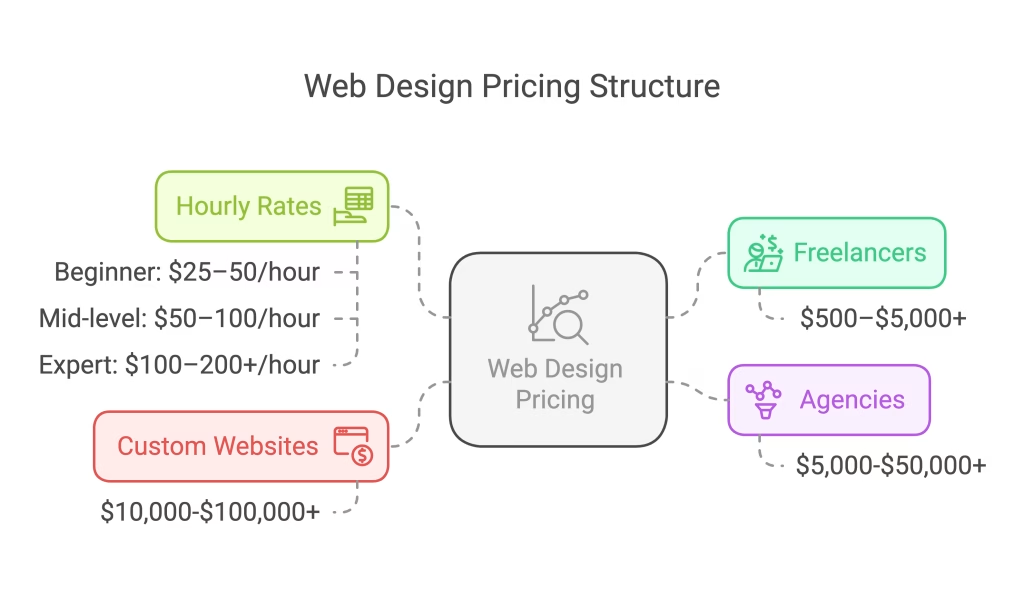
- Freelancers: $500–$5,000+
Freelance web designers often charge lower rates, making them a great option for small businesses or startups with limited budgets. - Agencies: $5000-$50,000+
Design agencies typically charge more but offer a full range of services, including branding, SEO, and ongoing support. - Custom Websites: $10,000-$100,000+
For large-scale projects with advanced functionality, costs can escalate quickly; depending on the variables mentioned above.
Hourly Rates for Web Designers
- Beginner designers: 25–25–50/hour
- Mid-level designers: 50–50–100/hour
- Expert designers: 100–100–200+/hour
How Much Should You Charge for Web Design? (For Designers)
If you’re a web designer wondering how much to charge for website design, consider the following:
- Evaluate Your Experience: Beginners should charge less, while experienced designers can command higher rates.
- Research Market Rates: Look at what others in your area or niche are charging.
- Factor in Overheads: Include costs for software, tools, and taxes in your pricing.
- Offer Packages: Create tiered pricing options to cater to different client budgets.
Tips for Finding a Website Designer Within Your Budget
- Define Your Needs: Clearly outline your project requirements to get accurate quotes.
- Compare Quotes: Get estimates from multiple designers or agencies to compare pricing and services.
- Check Portfolios: Review past work to ensure the designer’s style aligns with your vision.
- Ask About Hidden Costs: Clarify if hosting, domain registration, or maintenance fees are included.
- Consider Long-Term Value: A well-designed website is an investment that can yield significant returns.
Conclusion: Investing in a Good Website Designer
So, how much does a good website designer cost? The answer depends on your project’s complexity, the designer’s expertise, and the features you need. While it’s tempting to opt for the cheapest option, remember that your website is often the first impression customers have of your brand. Investing in a skilled designer can pay off in the long run with a site that’s not only visually appealing but also functional and user-friendly.
Whether you’re a business owner or a designer, understanding website design costs ensures you make informed decisions and achieve the best results for your budget. By following this guide, you’ll be well-equipped to navigate the world of website design costs and find the perfect designer for your needs.
If you have any questions, reach out to Beesoul here and we’ll take care of the rest for you.
Bonus:
Read this small case study to understand How Two Experienced Founders Burned £15,000+ (and What You Can Learn from Their Journey)

Related articles

How to Create a Personal Website for College Apps Reddit:2025 Guide
Why a Personal Website Matters for College Applications A personal website can be a game-changer for your college application. It...

Top Strategies for a Professional Looking Website, Reddit-Approved:2025
Introduction: Why a Professional-Looking Website Matters? A professional looking website, Reddit users often emphasize, is essential for credibility and success....

Web Design for Small Businesses: The Complete Growth Guide
Introduction In today’s digital world, having a strong online presence is no longer optional, it’s a necessity. For small businesses,...

Ready to Ship Your Vibe Coded App?
You've already done the hard part — validating your idea and building something that works. Let's turn it into a product your users can trust and your business can scale.